
Cargo rarely goes wrong because of the big decisions. It goes wrong because of a small one. Maybe a chain picked out of habit, a tensioner borrowed from another job, a rating nobody checked against the weight on the trailer. We hear this story from yards, freight forwarders and project teams more often than we would like.
Ask any lashing chain supplier in Dubai who operators trust, and the answer is usually the same: the damage started long before the truck moved. The good news is that well is not complicated once you know what to look at.
Start with the Load, Not the Chain
Before you look at a catalogue, write down what you are securing. You need the weight, the centre of gravity, the shape and the surface it sits on. A steel coil, a generator skid and a stack of pipes all behave differently when the vehicle brakes or turns.
Then think about the lashing angle. A chain pulling at a steep angle to the deck holds a load down far better than one running almost flat. As the angle becomes shallow, a chain gives up a large share of its holding power.
Two chains rated the same can perform very differently on the same cargo because of where you anchor them. So plan your anchor points first, then count how many chains you need, and always work from the rated capacity of the chain, not from how strong it looks.
Grade and Size Do Most of the Work
Choosing the right lashing chain starts with understanding its grade and size. These two factors influence the chain’s strength, working load limit, and suitability for different cargo-securing applications. Selecting the correct combination helps ensure that the chain can handle the demands of the load while remaining practical for everyday use.
Grade 80 Alloy Chain for Cargo Securing
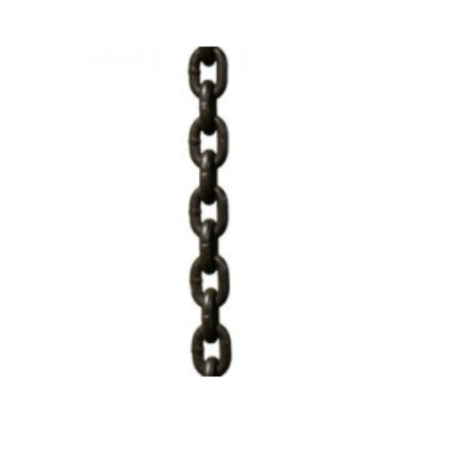
For cargo securing, grade 80 alloy chain is the usual standard. It carries more load for its weight than lower grades, which matters when someone has to carry, throw and hook it by hand all day. The breaking load is typically around four times the working load limit, and that margin is there to cover shock loads, not to be used up.
Working Load Limits for Common Chain Sizes
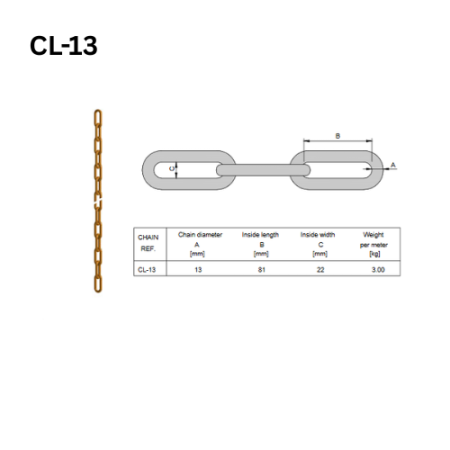
As a rough guide, 8 mm grade 80 chain carries about 2 tonnes, 10 mm about 3.15 tonnes and 13 mm about 5.3 tonnes of working load. Check the exact figure against the markings and the certificate for the chain you are buying.
Chain Markings and Certification
A good chain is stamped with its grade and size, and it comes with traceability back to the batch. If a chain has no markings and no paperwork, treat it as unrated, whatever it looks like.
Think About the Finish
- Plain Alloy Chain for Dry Conditions
- The coating decides how long a chain stays reliable. Plain alloy chain is fine for dry, short term work.
- Galvanised Chain for Outdoor and Marine Environments
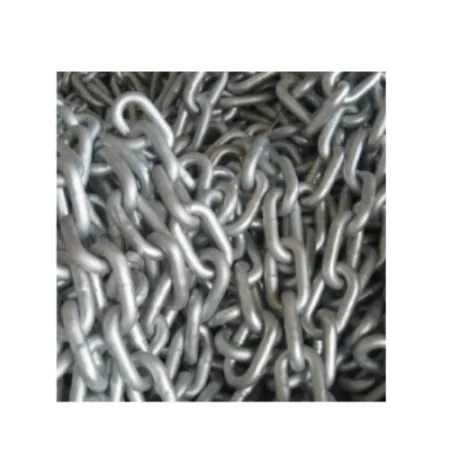
- Galvanised chain suits decks, open yards and anywhere moisture and salt are part of the job.
- Stainless Link Chain for Corrosion-Prone Areas
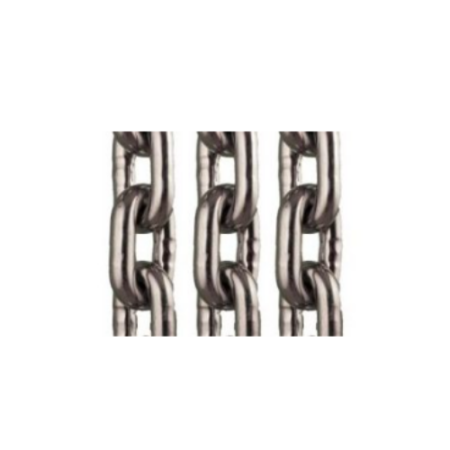
Stainless link chain makes sense where corrosion is constant, though you should confirm its rated capacity separately, since it differs from alloy. Rust does more than look bad. Pitting on a link shrinks the steel that carries the load.
Match the End Fittings
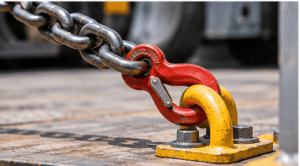
Choosing the Right Grab, Claw and Eye Hooks
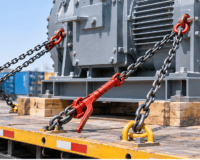
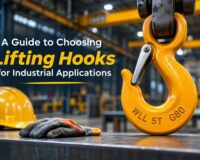
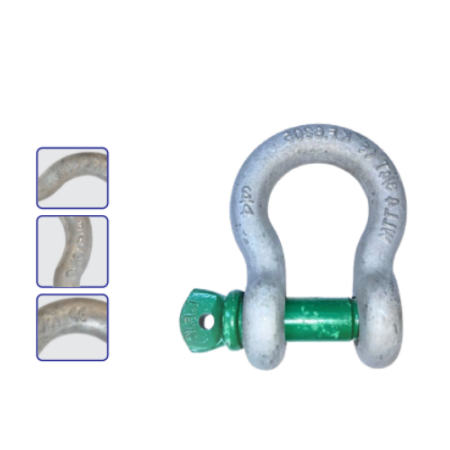
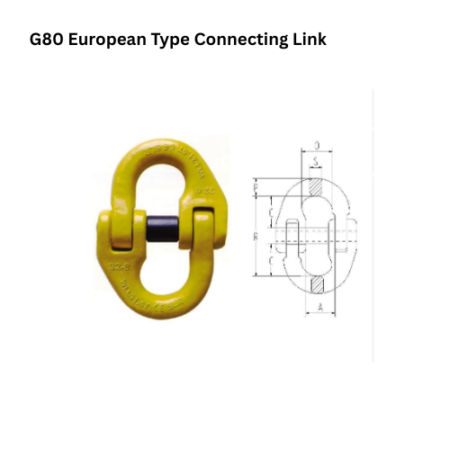
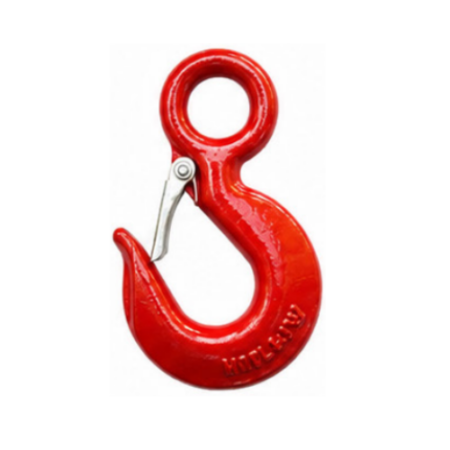
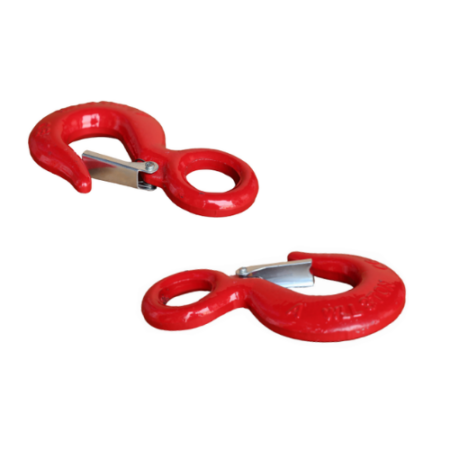
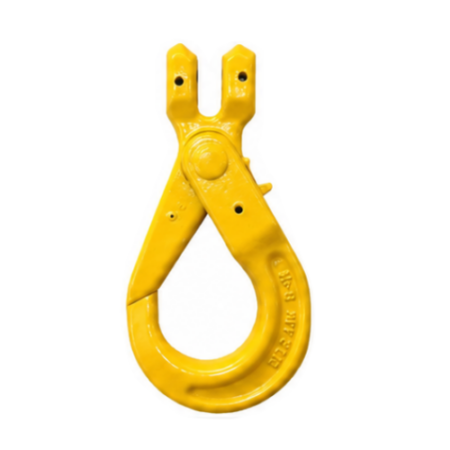
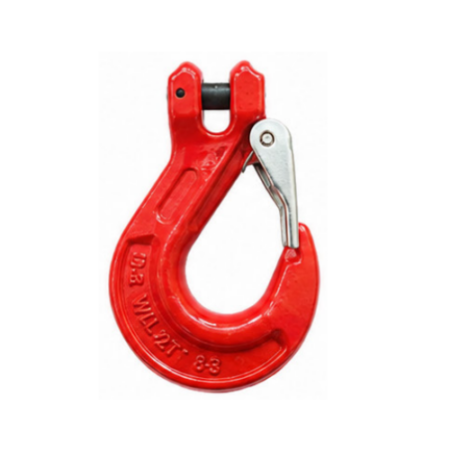
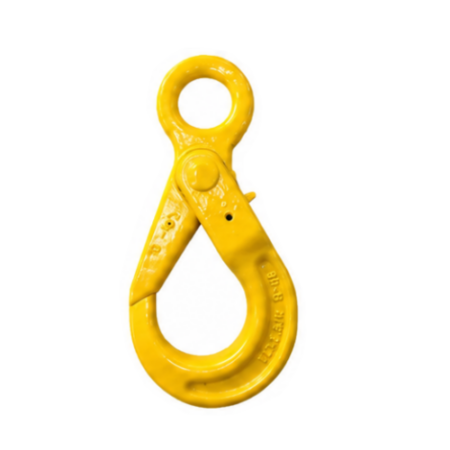
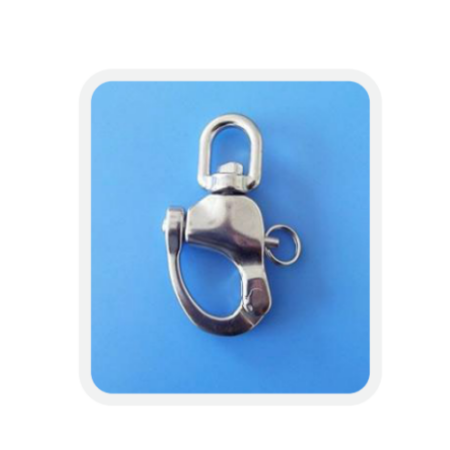
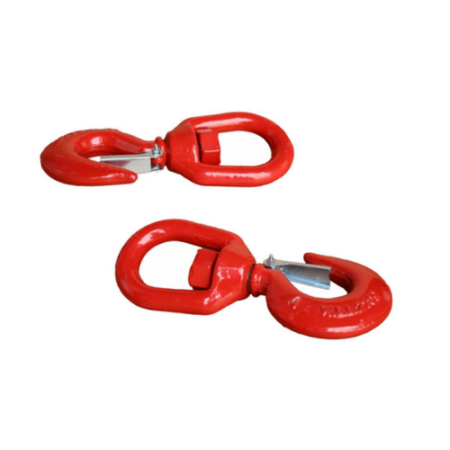
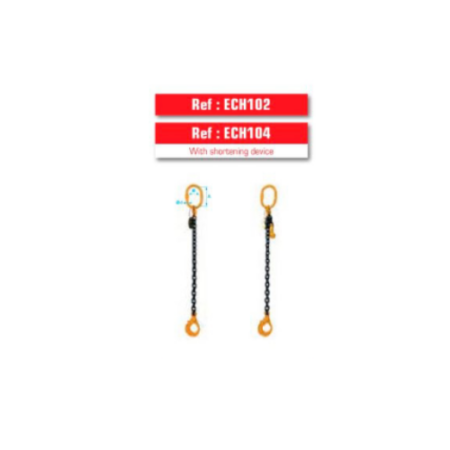
A lashing chain is only as strong as its weakest part. Grab hooks, claw hooks and eye hooks must be sized for the chain they sit on and rated to the same level. A heavy chain on a lightweight hook is a common and quiet mistake.
Matching Fittings to Anchor Points
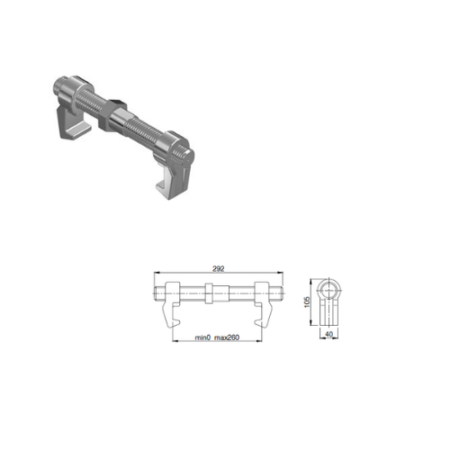
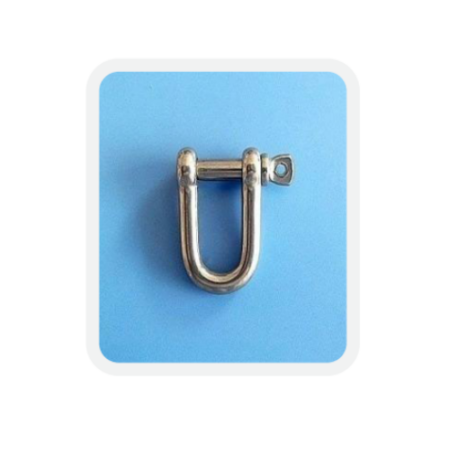
Pick fittings that suit your anchor points too, whether those are d rings, deck sockets or lashing bars on a flatbed. A hook that barely fits will not seat properly under load.
Choose the Tensioner with Care
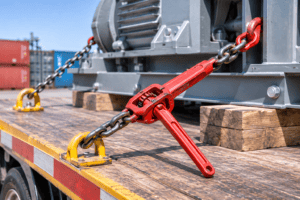
Ratchet-Type and Lever Binders
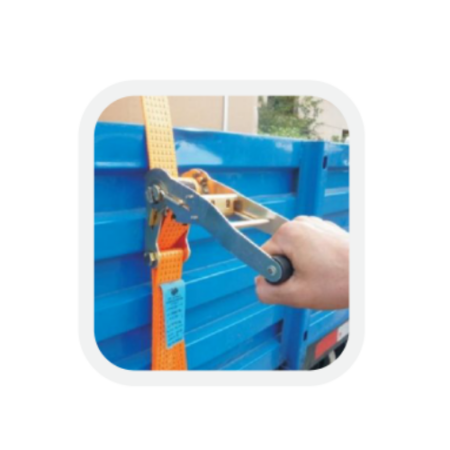
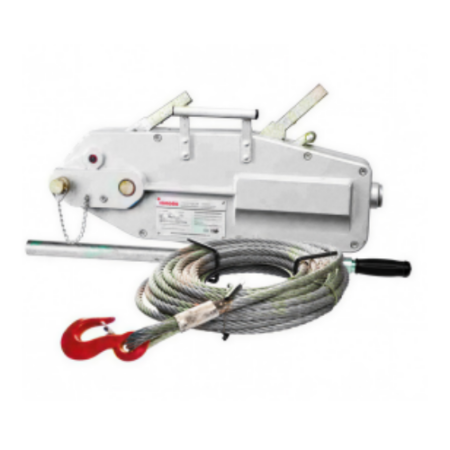
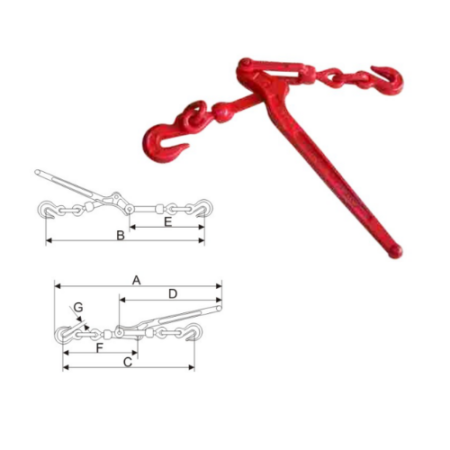
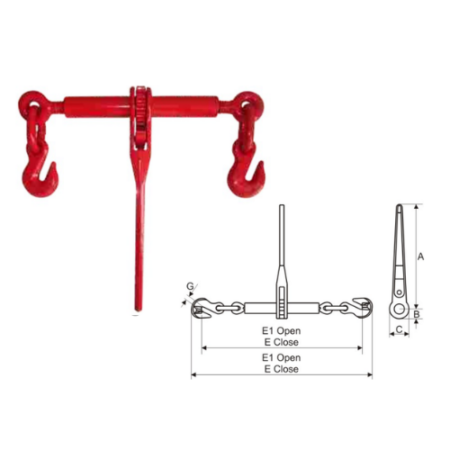
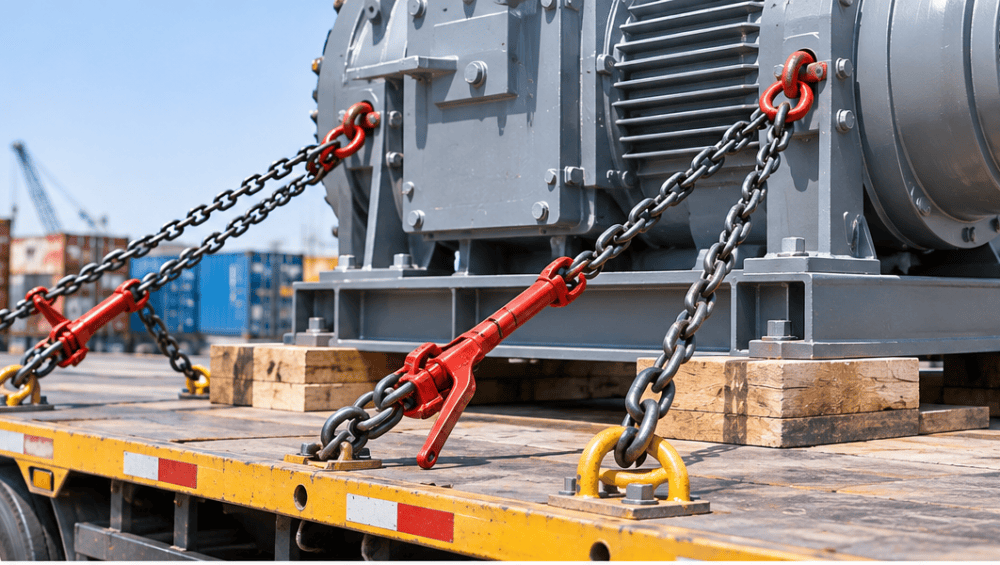
Tightening is where the lashing becomes real. Ratchet type binders give fine control and let you build high, even tension. Lever binders are quicker, but they store a lot of energy and can snap back on release, so they ask for more caution. Whichever you choose, check its working load against your chain. A good tensioner supplier will ask what chain you are using before suggesting a binder, because the two must be matched.
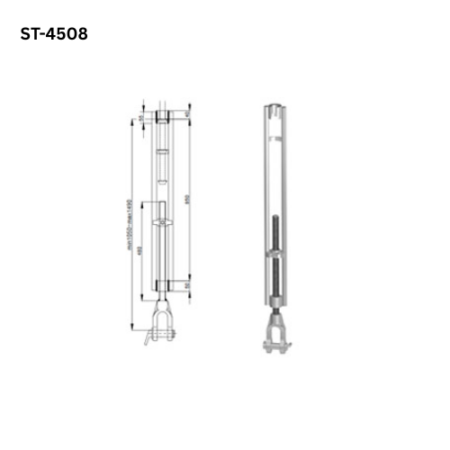
Choosing the Right Lashing Turnbuckle
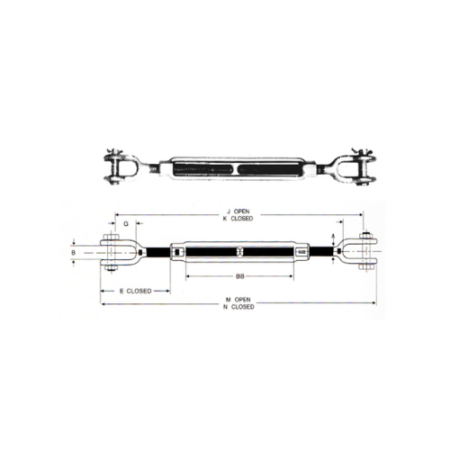
For adjusting length and taking up slack, a lashing turnbuckle buyers can trust should have a clean thread, a rated body and a way to lock the thread, such as a lock nut. Vibration on the road can slowly turn a loose turnbuckle, and a chain that was tight at the port may be slack at the destination.
Inspect, Then Retire Without Guilt
Even the right chain does not last forever. Before every use, run your hands along the links and look for:
- Stretched, twisted, or bent links.
- Nicks, gouges and sharp cuts.
- Heavy corrosion or pitting.
- Wear that has reduced a link’s diameter by roughly a tenth.
- Damaged threads or cracked hooks on the fittings.
Safe Chain Use and Replacement
Never knot a chain to shorten it, and never repair a link with a bolt. Use corner protectors wherever a chain bends over a sharp edge. If you doubt a chain, take it out of service. Replacing a chain costs very little compared to losing a load.
Pick a Supplier Who Can Answer Your Questions
What to Look for in a Lashing Chain Supplier
The chain is half of the decision. The other half is who you buy it from. Look for a supplier who gives you certificates without being asked, keeps common sizes in stock and can explain why one assembly suits your cargo better than another.
Roma Enterprises Lashing Systems
At roma enterprises, we have supplied marine and rigging equipment . Our lashing systems range covers lashing chains, tension levers, lashing bars and turnbuckles, load binders and deck fittings, and our chain range includes alloy, galvanised and stainless link options, all backed by certified quality. Our team can help you work out the right chain size, finish and tensioner for your cargo.