
Most hook failures do not begin with a dramatic snap. They begin weeks earlier, when someone picks a hook because it was the one on the shelf and the number stamped on it looked big enough.
Then a load shifts, the tip takes the strain instead of the bowl, and a hook rated for far more than the job quietly opens up. Stories like this are rarely about bad luck.
They are about selection. Whether you are comparing lifting hooks suppliers in UAE or reviewing what already sits in your own store, the hook deserves more thought than it usually gets, because it is the one part of the rig that touches everything else.
Start with the load, not the hook
Before you open a catalogue, write down what you actually lift. Weight is the obvious number, but the shape, the centre of gravity and the way your sling or chain will sit in the hook matter just as much. Also think about how the lift behaves. A load that starts and stops smoothly is one thing. A load that jerks, swings or gets caught after a short drop is another. Dynamic forces can make a 2 tonne load act like a much heavier one for a moment, and your hook must survive that moment.
Read the grade and the working load limit properly
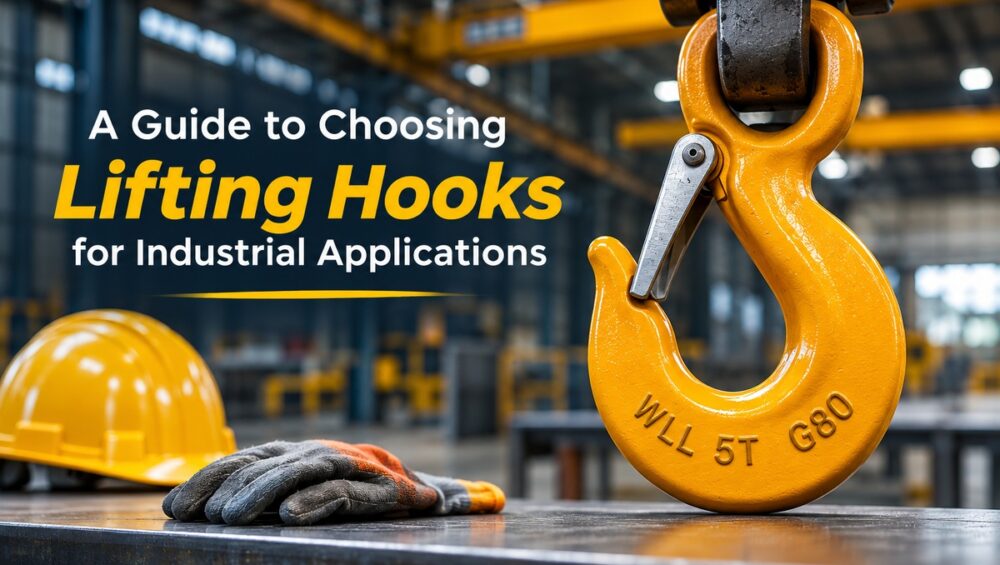
Every hook carries a working load limit, or WLL. This is the maximum load it should carry in normal service, and it comes from a design factor. Grade 80 alloy hooks are commonly built with a 4 to 1 safety factor, so the break load is roughly four times the WLL. Grade 100 gives you more strength for the same body size, which helps when headroom or weight is tight.
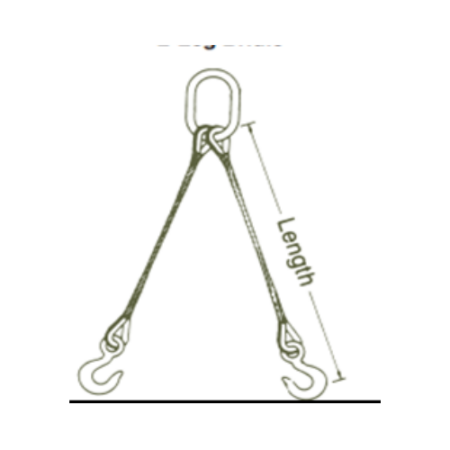
Here is the part people forget. The WLL assumes the load sits in the bowl of the hook and pulls in a straight line. Load the tip, pull at a sharp side angle, or use a two-leg sling with a wide angle between the legs, and the real stress climbs fast. When in doubt, size up and check the angle, not just the weight.
Match the pattern to the job
Different hook shapes solve different problems, so it helps to know what each one is for.
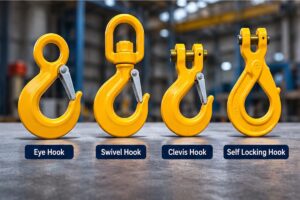
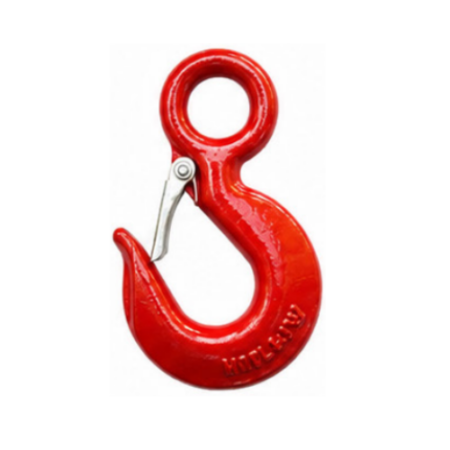
- Eye hooks connect to a shackle, ring, or wire rope and suit general lifting where the hook does not need to rotate.
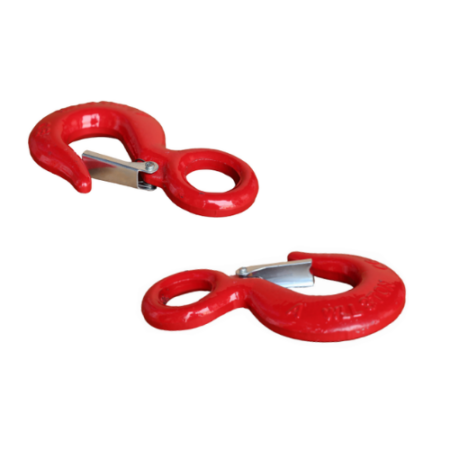
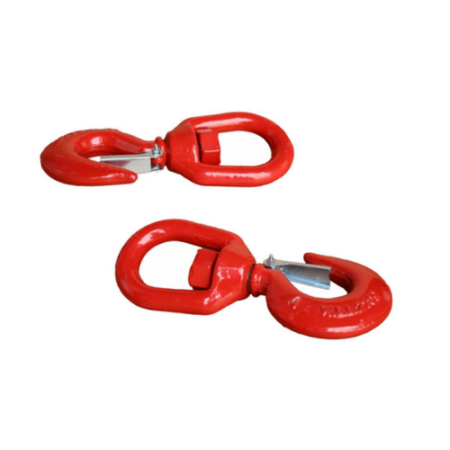
- Swivel hooks turn under load. That keeps a hanging load from twisting your rope or chain and stops the rotation from working against the connection above.
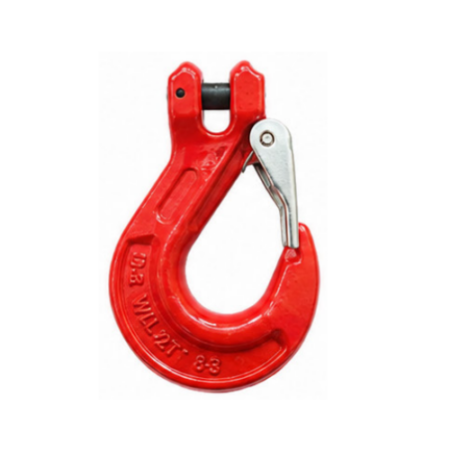
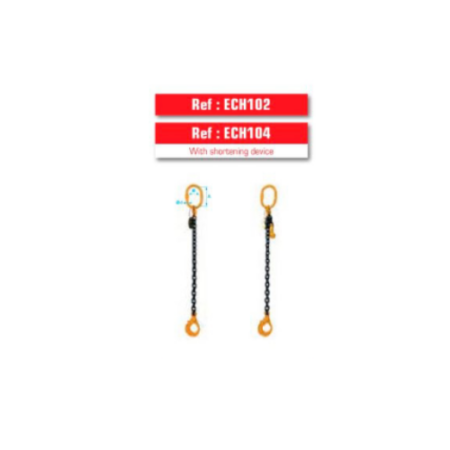
- Clevis hooks attach straight to chain with a pin or bolt, which is why you see them on chain slings.
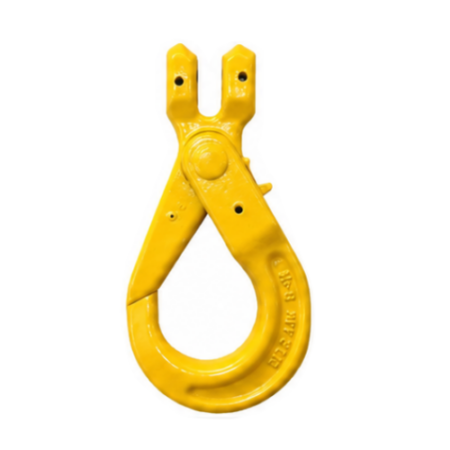
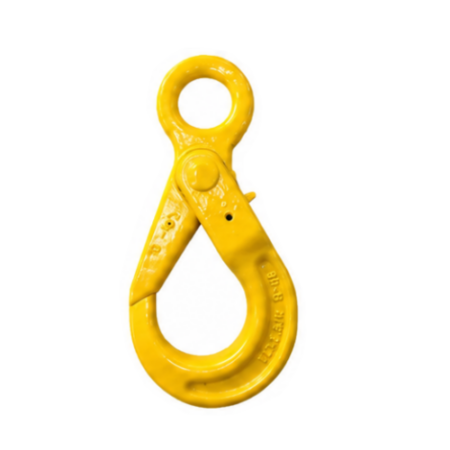
- Self-locking hooks close their latch automatically, so the operator does not have to remember. For repeat lifts, that small feature removes a common human error.
At Roma Enterprises, we stock eye hoist hooks, eye and swivel hooks with latch, and Grade 80 clevis and eye self-locking hooks, so most of these patterns can be matched from one place.
Respect the latch, but do not trust it with weight
A latch is not designed to carry load. Its job is to keep a slack sling from slipping out of the bowl while you position the lift. Check that it closes fully, springs back, and sits clear of the sling. A bent or sticky latch is a warning that the hook may have been misused somewhere along the way.
Check the throat opening and bowl size
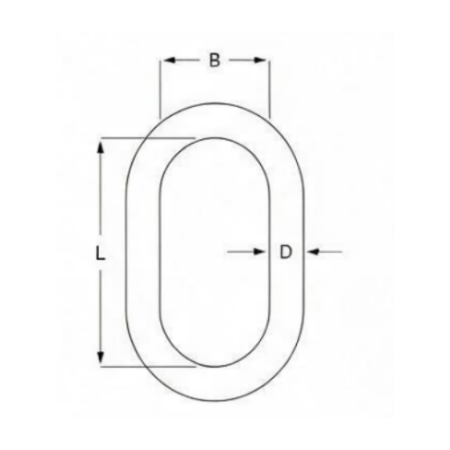
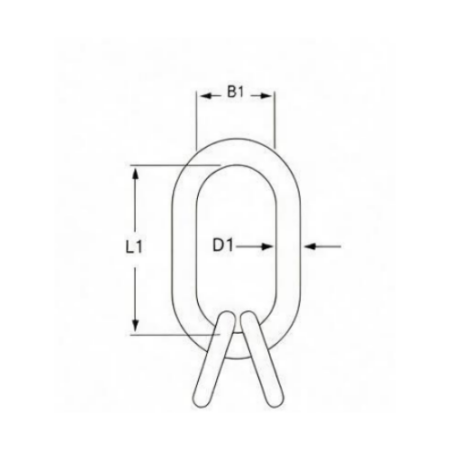
Your sling eye, master link, or ring should sit comfortably in the bowl without crowding the tip. An oversized fitting rides up toward the tip and cuts the hook’s usable capacity. A fitting that is too small can bind and put a side load on the hook. Always compare the throat opening with what you will actually hang on it.
Material and finish
Most industrial hooks are forged alloy steel, quenched and tempered for strength and toughness. The finish then depends on where you work. Painted or galvanized finishes are fine for general yards and workshops. Stainless steel suits marine, chemical, and food areas where rust or contamination is a concern.
Inspect before every lift and on a schedule
Good selection is wasted if a worn hook stays in service. For additional guidance on safe lifting practices, load limits and hook inspections, refer to these lifting hook inspection and safety guidelines published by OSHA. Look for these signs:
- A throat opening that has spread, since many standards and manufacturers treat growth of around 10 to 15 percent as a reason to retire the hook.
- Twist in the body or a tip that no longer lines up with the shank.
- Nicks, gouges, cracks or visible wear inside the bowl.
- A latch that is bent, loose or missing.
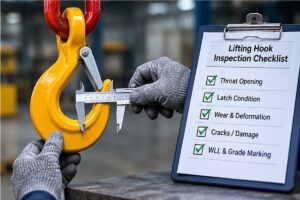
Never repair a hook by welding, heating or bending it back. A damaged hook is replaced, not fixed. Keep a simple inspection record so you can see patterns over time.
Hooks work as part of a system
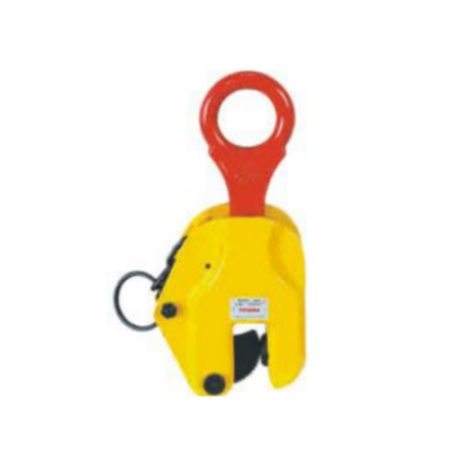
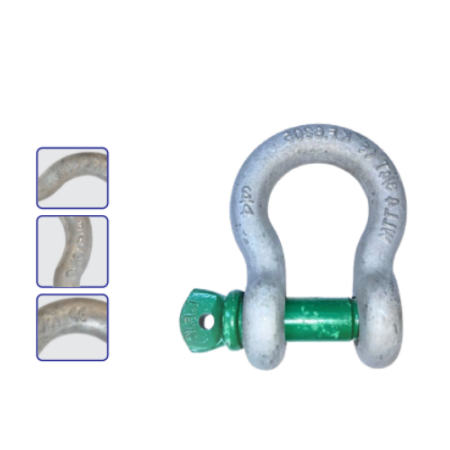
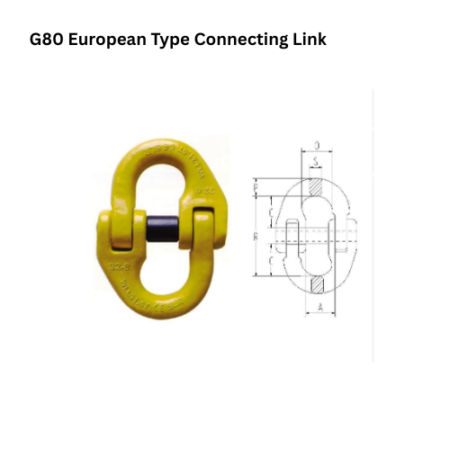
A hook is only as safe as the gear around it. If your work involves coils, pipes or plates, finding a dependable C hook supplier in Dubai helps you avoid mismatched equipment on the same job. The same applies to connectors. Shackles suppliers in UAE who can match pin type, grade, and WLL to your hooks make it much easier to keep a rigging set consistent, with no weak link hiding in the chain.
Choose a supplier who can answer hard questions
Price is easy to compare. Certification, traceability, and honest advice are harder to see, and they matter more. Ask for test certificates, check that WLL and grade are clearly marked on the product, and ask the supplier why they recommend one hook over another. A good supplier will not mind the questions.
Conclusion
If you are unsure which hook suits your lift, bring us the details. Tell us the load, the rigging and the environment, and our experts at Trusted Lifting Hook Supplier will help you narrow it down.